
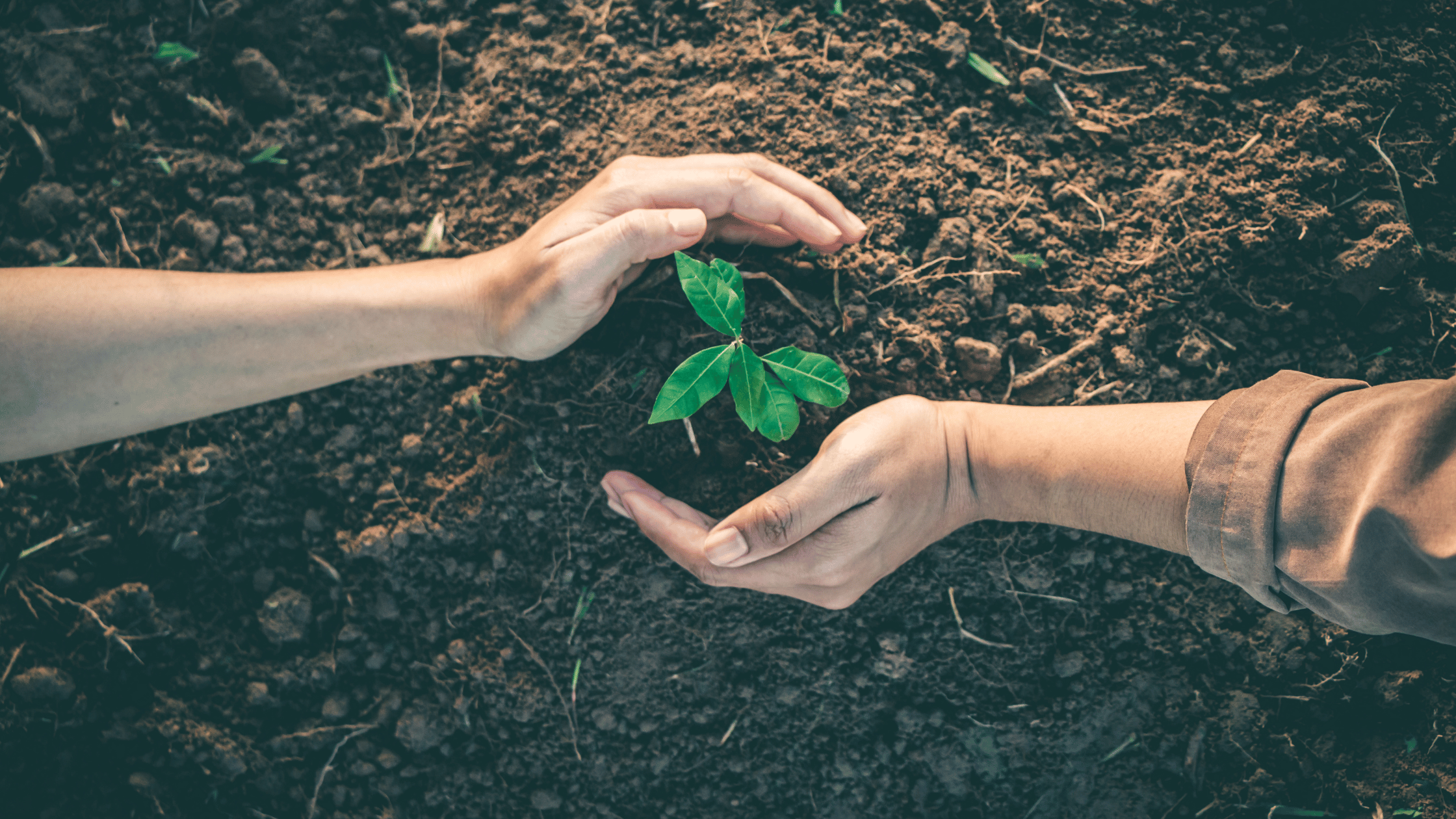

Introduction: Planting Trees with Purpose
Planting trees around your home is one of the most rewarding landscaping decisions you can make. Not only do trees enhance curb appeal, but they also provide shade, reduce energy costs, improve air quality, and bring a sense of calm and balance to your outdoor space. However, not all trees are created equal when it comes to home planting. The ideal tree must complement your space in terms of size, root behavior, and aesthetics—while requiring minimal maintenance and avoiding structural risks.
In this article, we’ll guide you through the best types of trees to plant around your house, categorized by their primary benefits: shade, beauty, and landscape harmony. Whether you’re creating a peaceful retreat or designing a functional green space, these tree choices will help you grow a healthier, more beautiful home environment.
Why Tree Selection Matters Near the House
Before choosing a tree, it’s important to consider the impact it will have on your property over time. Key factors include:
- Root system: Avoid trees with aggressive roots that can damage foundations, water pipes, or sidewalks.
- Canopy size: Ensure the mature size won’t overshadow your home or block important views.
- Leaf litter: Decide how much leaf drop you’re willing to manage.
- Growth rate: Fast-growing trees provide quicker results but may be more fragile in storms.
- Climate and soil type: Match trees to your region’s growing conditions for optimal success.
By selecting the right species, you can enjoy decades of comfort, beauty, and energy efficiency.
Trees for Shade: Cooling Your Home Naturally
🌳 Red Maple (Acer rubrum)
- Height: 40–60 feet
- Why it’s great: Offers quick growth, dense foliage, and stunning red foliage in fall.
- Shade benefit: Large canopy provides excellent summer shading, helping reduce indoor cooling costs.
🌳 Southern Live Oak (Quercus virginiana)
- Height: 50–80 feet
- Why it’s great: A majestic, slow-growing evergreen tree with a wide-spreading canopy.
- Shade benefit: Offers deep, year-round shade and long-lasting durability.
🌳 Chinese Elm (Ulmus parvifolia)
- Height: 40–50 feet
- Why it’s great: Fast-growing, drought-tolerant, with beautiful mottled bark and fine leaves.
- Shade benefit: Provides filtered light and cool shade without making the area too dark.
🌳 Ginkgo (Ginkgo biloba)
- Height: 50–80 feet
- Why it’s great: Unique fan-shaped leaves, brilliant yellow fall color, resistant to pests and pollution.
- Shade benefit: A strong, urban-tolerant tree that adds character and filtered shade.
Trees for Beauty: Show-Stoppers in Every Season
🌸 Dogwood (Cornus florida)
- Height: 15–25 feet
- Why it’s great: One of the most elegant flowering trees with white or pink blossoms in spring.
- Visual value: Beautiful in all seasons—with spring flowers, summer greenery, fall color, and winter silhouette.
🌺 Crape Myrtle (Lagerstroemia indica)
- Height: 10–30 feet
- Why it’s great: Long-lasting blooms in shades of pink, purple, or white; smooth, attractive bark.
- Visual value: Excellent for color contrast and structure, especially in smaller yards.
🌼 Japanese Maple (Acer palmatum)
- Height: 10–25 feet
- Why it’s great: Delicate leaves in shades of red, orange, and green; iconic ornamental appeal.
- Visual value: Perfect for Asian-inspired or zen gardens; stunning focal point in any landscape.
🌳 Magnolia (Magnolia grandiflora)
- Height: 30–50 feet
- Why it’s great: Known for its large, fragrant white flowers and glossy evergreen leaves.
- Visual value: Brings a touch of southern elegance and rich foliage year-round.
Trees for Balance and Harmony: Feng Shui & Functionality
In many cultures—especially in Asian landscaping traditions—trees are planted not just for beauty but also to create energetic balance between home and nature.
🌿 Bamboo (Clumping varieties)
- Height: 10–30 feet
- Why it’s great: Fast-growing, natural screen, calming swaying movement.
- Harmony benefit: Symbolizes resilience, peace, and growth. Best for corners or boundaries.
Note: Always choose clumping bamboo, not running types, to avoid invasiveness.
🌳 Olive Tree (Olea europaea)
- Height: 15–30 feet
- Why it’s great: Drought-tolerant, silvery leaves, symbol of peace and abundance.
- Harmony benefit: Ideal for Mediterranean-style homes or minimalist gardens.
🌸 Frangipani (Plumeria)
- Height: 10–25 feet
- Why it’s great: Highly fragrant flowers in soft colors, sculptural form.
- Harmony benefit: Commonly used in Thai gardens and temples to promote serenity.
🌴 Areca Palm or Lady Palm (Indoor/Outdoor Use)
- Height: 6–12 feet (in pots or clusters)
- Why it’s great: Adds a tropical feel, softens corners, purifies air.
- Harmony benefit: Balances sharp structures with soft energy; good for feng shui adjustments.
What Trees Should You Avoid Near the House?
While many trees offer great benefits, a few may cause issues if planted too close to your home:
- 🌲 Large Ficus trees – Invasive roots can damage plumbing and foundations.
- 🌳 Silver Maple – Fast-growing but brittle; high risk of limb breakage.
- 🌴 Coconut Palm – Beautiful but potentially dangerous due to falling coconuts.
- 🌳 Willows (e.g., Weeping Willow) – Require constant moisture and have aggressive roots.
✅ Tip: As a general rule, plant trees at a distance equal to at least half their mature height from your home or major structures.
How to Maximize the Value of Your Trees
Once you’ve chosen the right trees, follow these guidelines to ensure long-term beauty and low maintenance:
🌱 Plant at the Right Time
- Early spring or fall is ideal for most species.
- Avoid the hottest summer months to reduce transplant shock.
🧼 Keep Trees Well-Mulched
- Mulch helps retain moisture, protect roots, and control weeds.
- Avoid piling mulch directly against the trunk (called “volcano mulching”).
✂️ Prune with Purpose
- Prune annually to shape young trees and remove dead or diseased branches.
- Don’t over-prune; removing too much can stress the tree.
💧 Water Deeply and Infrequently
- Deep watering encourages roots to grow downward.
- Adjust watering frequency based on climate and season.
Conclusion: Trees That Grow with Your Home
Planting the right trees around your home isn’t just about landscaping—it’s an investment in your property, your comfort, and the environment. Whether you’re looking to add summer shade, seasonal blooms, or a sense of harmony to your yard, the trees listed above offer a wide range of benefits with minimal risk.
By choosing wisely and planting thoughtfully, you’ll create a landscape that matures beautifully, complements your architecture, and provides joy for generations. So go ahead—dig deep, plant smart, and grow a greener future right at your doorstep.